Creating an outdoor space that looks beautiful while remaining practical requires more than planting flowers and adding decorative features. Smart landscape planning combines aesthetics, functionality, sustainability, and long-term usability to create spaces that truly enhance a property. Whether it is a small residential garden or a large commercial outdoor area, thoughtful planning helps maximise comfort, improve property value, and reduce ongoing maintenance challenges.
Below are some of the most effective landscape planning ideas for creating attractive, highly functional outdoor spaces.
1. Design Outdoor Spaces Around Daily Activities
Modern landscaping focuses on balancing visual appeal with practical living. From efficient walkways to water-smart planting strategies, every detail contributes to a landscape that feels organised, inviting, and easy to maintain. Working with professional Landscape Planning Services can also help homeowners make informed decisions that align with their lifestyle, climate, and budget. To learn more about professional outdoor planning solutions, you can view service options for customised landscape development.
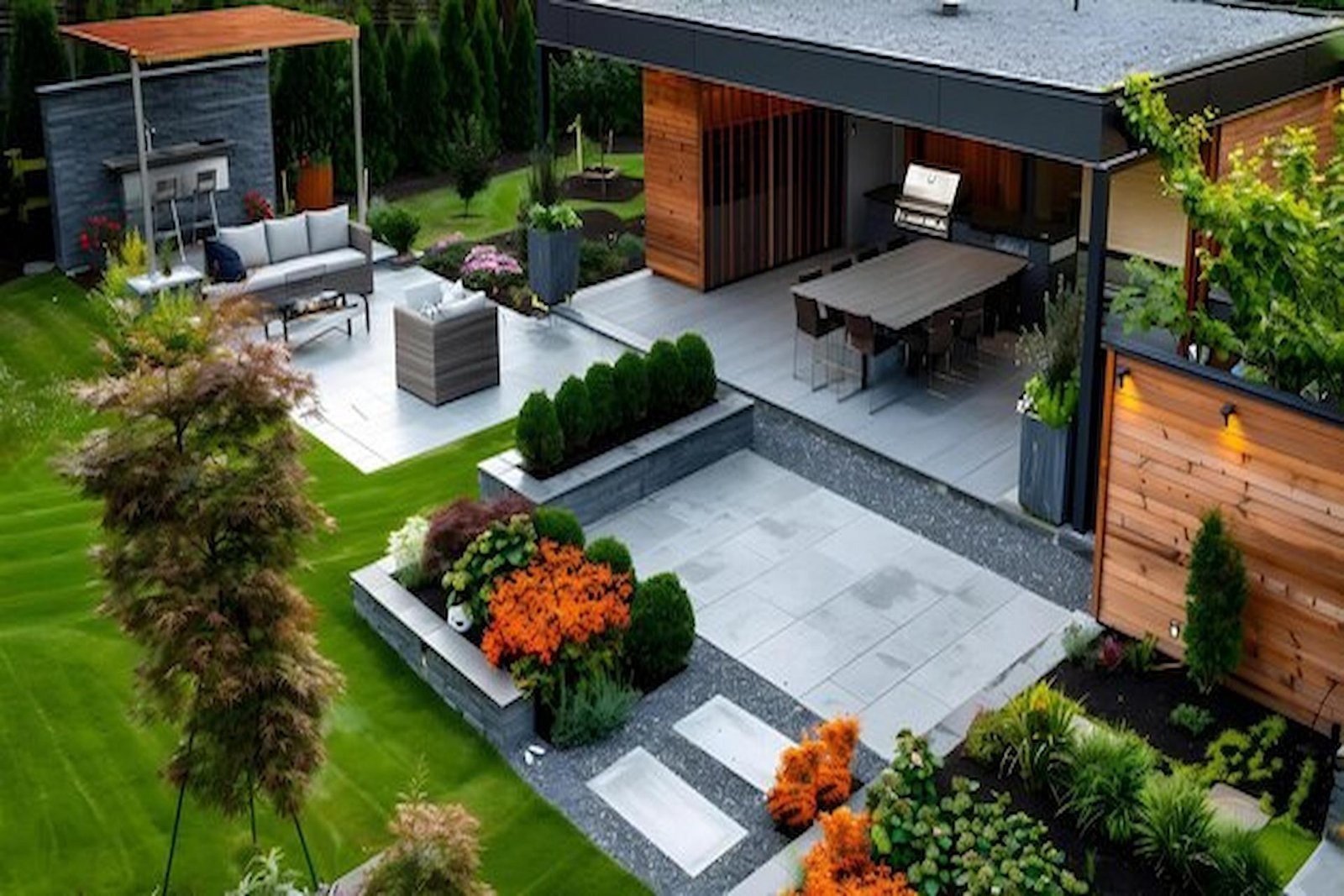
For example, families with children may benefit from open lawn areas, while homeowners who enjoy hosting guests might prioritise patios, outdoor kitchens, or fire pit zones. Separating distinct activity spaces with pathways, plants, or subtle changes in elevation helps create a more organised layout.
2. Use Native Plants for Long-Term Sustainability
Native plants are one of the most valuable additions to modern landscape planning because they naturally adapt to local climate and soil conditions. They typically require less water, fertiliser, and maintenance compared to non-native species.
In addition to reducing maintenance costs, native plants often attract beneficial pollinators such as bees and butterflies, helping support local ecosystems. They also tend to survive seasonal weather fluctuations more effectively.
A carefully selected mix of shrubs, grasses, flowering plants, and trees can create visually appealing landscapes that remain healthier and more sustainable over time.
3. Create Defined Pathways for Better Flow
Pathways do more than connect areas of a garden. They guide movement, improve accessibility, and help landscapes feel more structured and intentional.
Stone walkways, gravel paths, and paver designs can divide outdoor spaces naturally while protecting lawns and planting areas from foot traffic damage. Curved pathways often create a softer, more natural appearance, while straight lines can give landscapes a cleaner and more modern aesthetic.
Well-planned paths also improve safety by reducing slippery or uneven walking surfaces, especially in wet weather.
4. Incorporate Multi-Functional Outdoor Features
Modern landscaping increasingly focuses on versatility. Multi-functional features help maximise available space while improving usability.
Examples include:
- Retaining walls that double as seating
- Pergolas that provide both shade and visual interest
- Raised garden beds with built-in storage
- Outdoor benches with hidden compartments
- Fire pits that serve as gathering spaces year-round
These features allow homeowners to enjoy greater functionality without overcrowding the landscape with unnecessary structures.
5. Prioritise Efficient Drainage Solutions
Poor drainage can quickly damage an otherwise beautiful landscape. Water pooling, soil erosion, and foundation issues often result from improper grading or insufficient drainage planning.
Smart landscape designs include solutions such as:
- French drains
- Permeable pavers
- Rain gardens
- Sloped grading
- Dry creek beds
These elements help direct water away from structures while protecting plant health and reducing long-term maintenance problems. Proper drainage planning also contributes to healthier lawns and safer outdoor surfaces.
6. Layer Plants to Add Depth and Visual Balance
Professional-looking landscapes often use layered planting techniques to create depth and dimension. Combining tall trees, medium shrubs, ornamental grasses, and ground covers helps landscapes feel balanced and visually dynamic.
Layering also improves privacy and can soften harsh architectural lines around buildings or fences. Seasonal plant combinations add year-round interest by introducing changing colours, textures, and blooms across the seasons.
This approach allows landscapes to feel fuller and more natural without appearing cluttered.
7. Add Outdoor Lighting for Safety and Atmosphere
Outdoor lighting significantly improves both functionality and aesthetics. Well-placed lighting extends the usability of outdoor spaces during evenings while enhancing security and curb appeal.
Popular landscape lighting ideas include:
- Pathway lighting
- Accent lighting for trees and garden features
- Deck and patio lighting
- Motion-sensor security lights
- Soft ambient lighting for seating areas
Energy-efficient LED systems and solar-powered fixtures have also made modern outdoor lighting more sustainable and cost-effective than ever before.
8. Balance Hardscaping and Greenery
An effective landscape design maintains a balance between hardscaping elements and natural greenery. Too much concrete or stone can make a yard feel cold, while excessive planting may create a cluttered appearance.
Hardscaping features such as patios, retaining walls, and decorative stonework provide structure and durability. Meanwhile, lawns, plants, and trees introduce softness and natural beauty.
A balanced combination creates outdoor spaces that feel comfortable, visually appealing, and easier to maintain over the long term.
9. Plan for Future Growth and Maintenance
Many landscapes look attractive immediately after installation, but become overcrowded or difficult to maintain within a few years. Smart planning accounts for how plants and trees will mature over time.
Spacing plants correctly helps avoid future pruning issues and improves airflow, which reduces the risk of plant disease. Choosing low-maintenance materials and drought-tolerant plants can also minimise ongoing upkeep costs.
Long-term planning ensures outdoor spaces remain functional and visually appealing as the landscape evolves.
10. Use Focal Points to Create Visual Interest
Every well-designed landscape benefits from one or two strong focal points that naturally draw attention. These features help create structure and visual identity within the outdoor environment.
Popular focal points include:
- Water fountains
- Statement trees
- Sculptures
- Fire features
- Decorative seating areas
- Outdoor fireplaces
When placed thoughtfully, focal points help anchor the overall design and make landscapes feel more intentional and cohesive.
In Conclusion
Smart landscape planning goes far beyond decorative planting. It combines functionality, sustainability, comfort, and visual harmony to create outdoor environments that truly enhance daily living. By incorporating practical layouts, efficient drainage, layered planting, and multi-functional features, homeowners can create spaces that remain attractive and useful for years.
Whether planning a complete outdoor transformation or making gradual improvements, thoughtful design decisions can significantly improve both property value and outdoor enjoyment. Well-planned landscapes not only look better but also work better for the people who use them every day.