Upgrade your home heating with electric panel radiators. Our comprehensive guide walks homeowners through every step—from selecting the right size and style to maximizing efficiency and comfort—helping you enjoy a warm, cozy home while keeping costs manageable.
Heating expectations have changed across UK homes. People want systems that are clean, controllable, and easy to manage. Electric heating has grown in response to these needs, especially in properties without gas access or where zoned control matters. Among these options, electric panel radiators have gained attention for their balance of comfort and practicality. These systems convert electricity directly into heat and release it evenly across the room. They suit new builds, extensions, and retrofits alike. Homeowners often appreciate the straightforward setup and predictable performance that electric panel radiators provide, particularly when paired with modern controls and smart timers. Unlike traditional wet systems, there is no need for pipes, boilers, or ongoing water maintenance, making them an appealing choice for households seeking dependable warmth with minimal disruption.
How panel radiators deliver consistent warmth
Electric panel radiators work through direct heat transfer. Electricity passes through an internal element, warming the panel surface. Heat then spreads gently into the room. The process is steady and controlled, avoiding sudden temperature swings.
A balanced heat output
The panel design allows warmth to spread across a wide surface. This helps rooms feel comfortable without hotspots or cold corners. The result is a more even indoor temperature, especially useful in living rooms and bedrooms.
Quiet and clean operation
There are no moving parts. No fans. No pumps. This makes operation silent and reduces wear over time. It also means there is no dust circulation, which can benefit indoor air quality.
Where these radiators fit best in the home
Panel radiators are flexible. They work well in many settings, from small flats to larger family houses.
Ideal rooms and layouts
They are commonly used in:
- Bedrooms needing steady overnight warmth
- Home offices where quick control matters
- Extensions without existing pipework
- Loft conversions and garden rooms
Because each unit operates independently, homeowners can heat only the rooms in use. This room-by-room control supports practical energy management.
Installation without major disruption
One reason homeowners choose electric panel radiators is the ease of fitting. Installation does not involve draining systems or altering pipe networks.
What installation usually involves
A qualified electrician mounts the radiator on an internal wall and connects it to a suitable power supply. Once fixed, settings can be adjusted immediately. In most cases, installation is completed in a single visit.
This simplicity also reduces the risk of future leaks or pressure issues that can affect wet heating systems.
Running costs and energy awareness
Electric heating costs depend on usage habits and tariff choices. While electricity prices are higher per unit than gas, efficient use makes a real difference.
Practical ways to manage consumption
- Use timers to heat rooms only when needed
- Lower temperatures slightly and maintain consistency
- Take advantage of off-peak tariffs where available
Modern panels often include precise thermostats. This accuracy prevents overheating and wasted energy, helping control monthly costs.
Design and appearance considerations
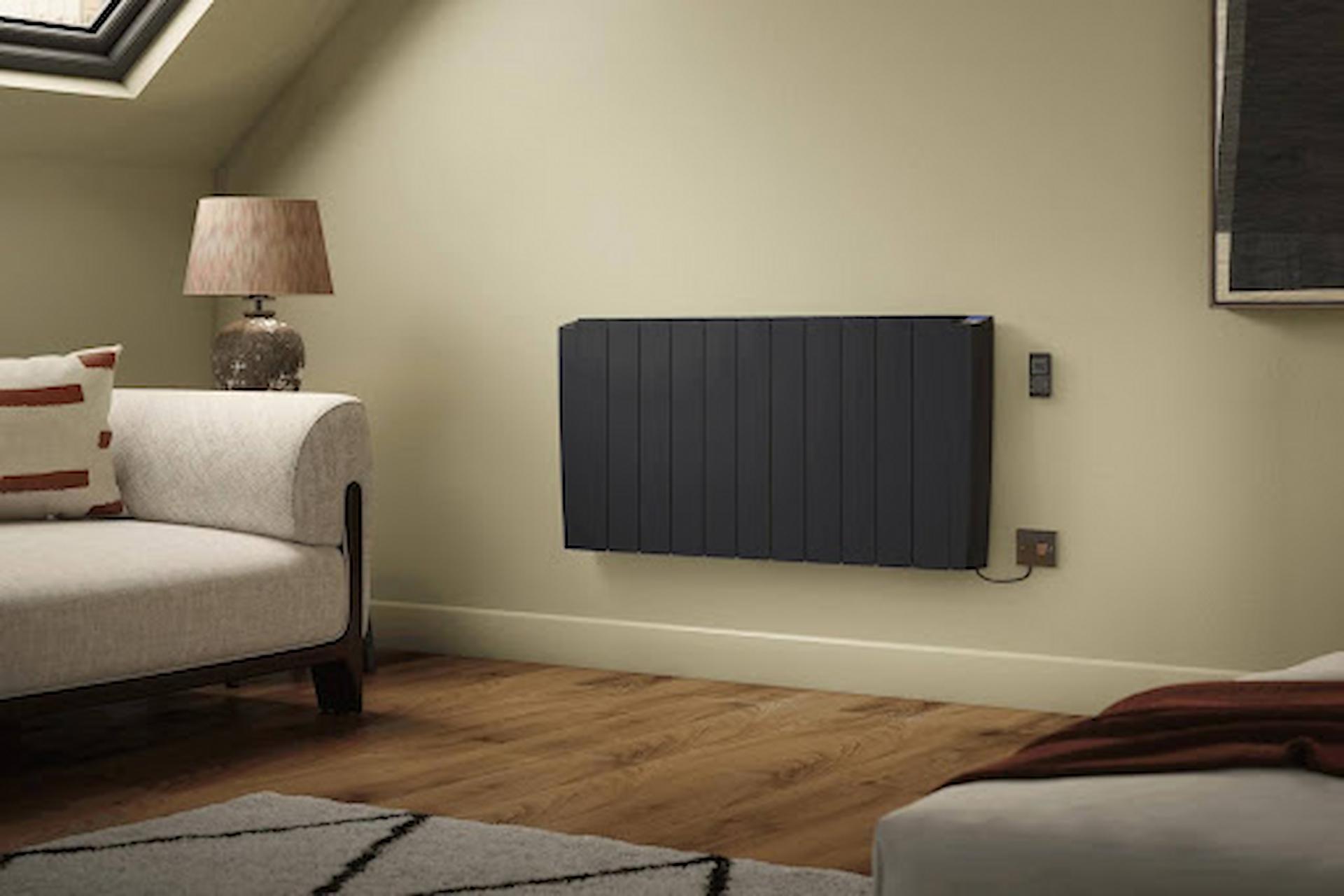
Heating appliances are no longer hidden away. Panel radiators now come in clean, modern designs that blend into contemporary interiors.
Visual integration
Slim profiles allow them to sit neatly on walls without dominating the space. Neutral finishes suit both modern and traditional homes. This makes them suitable for visible areas such as lounges and dining rooms.
Midway through the home heating journey, many homeowners reassess both form and function. At this point, electric panel radiators often stand out for combining visual restraint with reliable output.
Safety and long-term reliability
Safety is a key concern for any electrical appliance. Panel radiators are designed with multiple built-in protections.
Key safety features
- Overheat protection that shuts the unit down if temperatures rise too high
- Stable wall mounting to prevent movement
- Cool-to-touch surfaces on many models
With proper installation and basic care, these systems are built to last. Maintenance is minimal, usually limited to occasional surface cleaning.
Environmental considerations
As the UK electricity grid incorporates more renewable energy, electric heating becomes increasingly relevant. Panel radiators align well with this shift.
They produce no direct emissions within the home. When powered by greener electricity sources, their overall environmental impact can be reduced further. For homeowners planning future upgrades, this compatibility matters.
Choosing the right size and output
Correct sizing ensures comfort without unnecessary energy use. Room size, insulation quality, and ceiling height all influence the required output.
Planning before purchase
It helps to calculate heat requirements accurately rather than guessing. An appropriately sized panel warms the room efficiently and avoids long run times. This approach supports both comfort and cost control over the long term.
Living with electric heating day to day
Once installed, panel radiators are simple to live with. Controls are intuitive. Adjustments take seconds. There is no seasonal start-up process, unlike boiler systems.
Homeowners often appreciate the predictability. Heat is available when needed. Settings remain consistent. There are fewer surprises during colder months.
Conclusion: making an informed heating choice
Electric heating is no longer a compromise. For many UK homes, it represents a practical and forward-looking option. Panel radiators offer simplicity, control, and reliable comfort without the complexity of traditional systems. Their ease of installation suits renovations and new spaces alike. Running costs remain manageable when used thoughtfully, supported by accurate thermostats and zoned control. As energy systems evolve, electric solutions fit naturally into cleaner household strategies. For homeowners seeking a dependable, low-maintenance way to heat individual rooms or entire properties, electric panel radiators provide a balanced solution that meets modern expectations without unnecessary complexity.