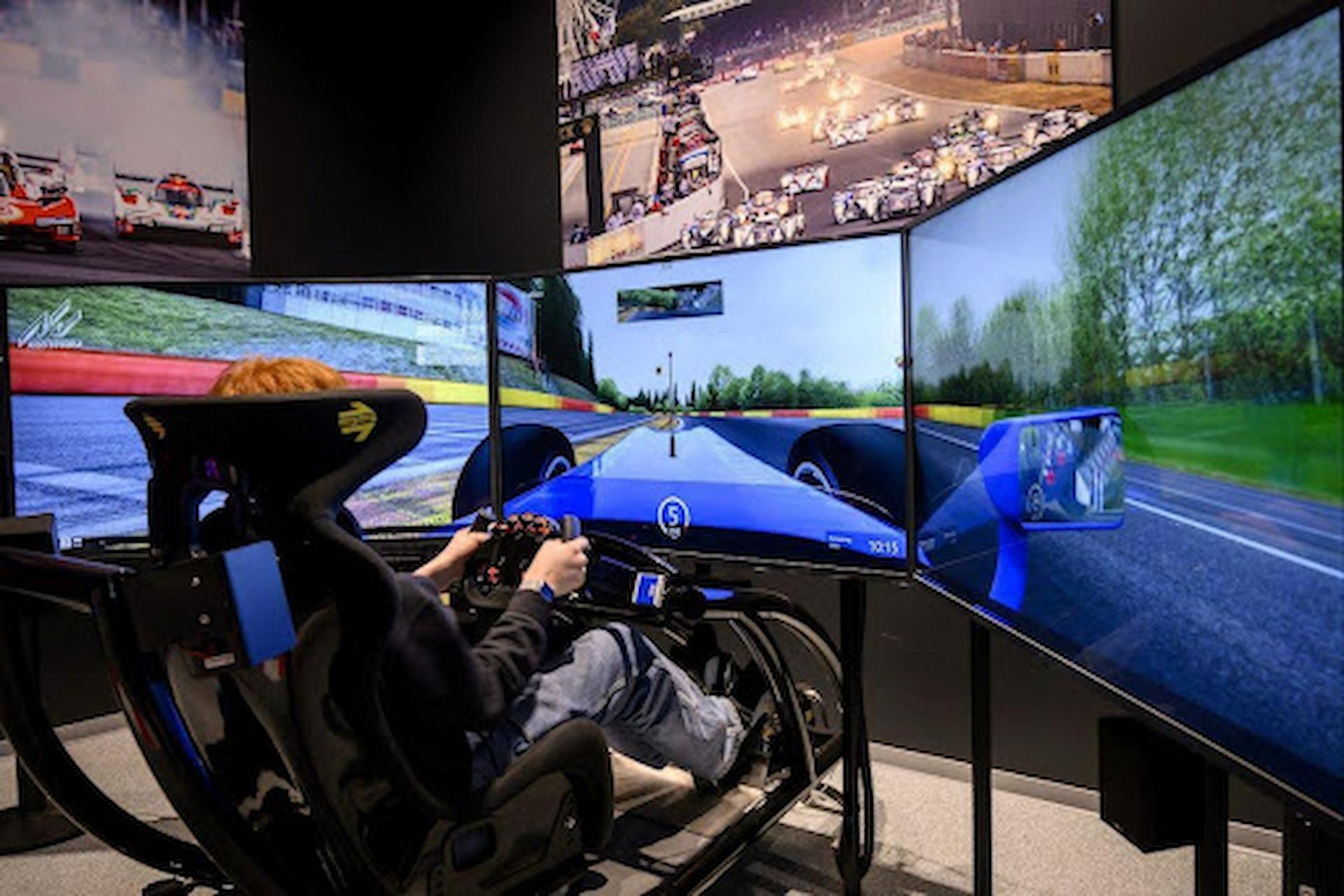
The rise of advanced racing simulators is transforming how drivers prepare for real-world competition. From mastering racecraft to refining split-second decision-making, simulation training is now a core part of motorsport development. Here’s how the modern Sim Racer is reshaping the future of racing.
Motorsport has always been about speed, skill, and precision, but the way drivers train is evolving rapidly. What was once limited to costly track sessions and physical testing is now complemented, and in many cases enhanced, by the world of simulation. Today’s Sim Racer is not just a gaming enthusiast but a crucial part of motorsport’s future.
With cutting-edge technology, realistic physics engines, and immersive setups, simulators are providing aspiring and professional drivers with an unprecedented opportunity to sharpen their skills without leaving their homes. This shift is democratising motorsport training and levelling the playing field for talent worldwide.
Why Simulation Matters in Motorsport
Traditional motorsport training has always been expensive, time-consuming, and logistically complex. Hiring circuits, maintaining vehicles, and organising test sessions require significant investment. Simulation technology changes this dynamic by offering:
- Cost-effective training: No fuel, tyres, or track rental costs.
- Unlimited practice: Drivers can train anytime, anywhere.
- Safe learning environment: Mistakes carry no real-world risks.
- Instant feedback: Data-driven analysis helps identify weaknesses quickly.
This approach not only reduces barriers to entry but also provides a platform where both beginners and professionals can continuously refine their skills.
The Evolution of the Sim Racing Environment
Modern simulation setups are far more than video games. High-end rigs replicate the feel of real cars, complete with force feedback steering wheels, motion platforms, and accurate telemetry systems. These tools offer insights into driving behaviour and help racers understand vital aspects such as:
- Racing lines and cornering techniques
- Brake modulation and throttle control
- Vehicle dynamics and tyre behaviour
- Race strategy and fuel management
This realism makes virtual practice sessions highly valuable, offering transferable skills directly applicable to real-world racing.
Skills Sim Racers Are Perfecting
Today’s Sim Racer is more than just a competitor in a digital environment; they are mastering skills that mirror those of professional drivers. Some key areas of improvement include:
1. Racecraft and Strategy
Simulators provide the perfect setting to learn overtaking tactics, defensive driving, and race strategies. With unlimited scenarios, racers can test different approaches without consequences.
2. Consistency and Precision
Racing isn’t just about speed; it’s about delivering consistent lap times. Sim racers train to minimise mistakes, improve reaction times, and execute precise manoeuvres under pressure.
3. Adaptability
Different tracks, weather conditions, and car setups challenge drivers to adapt quickly. Virtual environments allow racers to practise in diverse scenarios, building resilience and flexibility.
4. Data-Driven Performance
Telemetry and analytics give detailed insights into braking points, acceleration curves, and racing lines. Analysing this data helps racers identify areas for improvement and track their progress over time.
Actionable Tips to Improve Motorsport Skills with Simulation
If you want to maximise the benefits of simulation training, focus on these practical strategies:
- Invest in a quality setup: A good steering wheel, pedals, and seat dramatically improve realism.
- Practice consistently: Regular sessions help build muscle memory and improve reaction times.
- Analyse your telemetry: Use data to understand where you’re losing time and how to correct it.
- Experiment with setups: Adjust car settings to understand how changes affect performance.
- Race against others: Competing online sharpens decision-making and improves strategic thinking.
By following these steps, aspiring racers can bridge the gap between virtual and real-world performance.
Bridging the Gap Between Virtual and Real Racing
The line between simulation and real motorsport is becoming increasingly blurred. Many professional drivers now incorporate simulator sessions into their regular training routines, while racing teams use virtual platforms for car development and track familiarisation.
For aspiring drivers, simulation offers a rare opportunity to gain meaningful experience before stepping into a physical race car. They can learn track layouts, perfect their techniques, and approach real racing with confidence, all without the immense costs and risks associated with traditional training.
The Competitive Edge in a Data-Driven Sport
Modern motorsport is as much about data as it is about driving talent. Simulation platforms provide vast amounts of performance data, which can be analysed to refine every aspect of a driver’s approach.
Key performance indicators like braking efficiency, corner speed, and acceleration patterns can be monitored and adjusted in real time. This level of detail allows drivers to make incremental improvements that translate into significant competitive advantages on the track.
The Future of Motorsport Training
As technology continues to advance, simulation will become even more integral to motorsport. Virtual reality, haptic feedback, and AI-driven coaching systems are poised to make training more immersive and personalised. For teams, simulators will remain a cost-effective tool for development, and for individuals, they’ll serve as a gateway into competitive racing.
This evolution signals a shift in how talent is discovered and developed. With access to powerful simulation tools, anyone with the passion and dedication can train like a professional and compete on a global stage.
Final Thoughts
The world of motorsport is changing, and at the centre of this transformation is the Sim Racer. By providing realistic, affordable, and data-rich training opportunities, simulators are levelling the playing field and opening doors for a new generation of drivers.
As technology continues to evolve, simulation will become an even more powerful tool, enabling racers to refine their skills, test strategies, and approach real-world competition with unprecedented preparation. The future of racing is not just on the track; it’s also in the simulator.